Overlooked WooCommerce Business Setup Details That Impact Growth

If you are a WooCommerce store owner, you likely spend considerable energy strategizing about what your customers see: design, product pages, and promotions. These elements matter. But in many cases, they are not the true reason a store succeeds or fails.
More often, growth problems begin behind the scenes.
The initial setup choices you make influence how your store performs as it grows. Business structure, payment configuration, compliance systems, and internal processes all affect trust, stability, and scalability. When handled properly from the beginning, growth feels smooth. When overlooked, problems surface just as momentum builds.
Understanding these overlooked business setup details can save you time, money, and frustration later. The strongest online stores are not only visually appealing. They are built on a solid foundation from day one.
What Happens Behind the Scenes Determines Growth
A WooCommerce store rarely struggles because of what customers see on the frontend. Growth stalls when foundational structure and operational integrity are ignored.
The Myth: “We’ll Fix That When We’re Bigger”
Many WooCommerce founders assume certain setup details can wait. They focus on sales first and believe they can clean things up once revenue becomes consistent.
In practice, that delay creates friction.
As transaction volume increases, payment processors often conduct additional automated risk reviews. Tax exposure expands. Operational complexity rises faster than expected. What felt minor at the beginning becomes disruptive under pressure.
Common consequences of postponing foundational setup include:
- Payment processor freezes during growth spikes
- Unexpected tax obligations across multiple states
- Delays in verification when applying for financing
- Operational confusion as order volume increases
A WooCommerce store can look polished on the surface but struggle if its underlying setup is weak. Payment delays, account reviews, processor warnings, and drops in customer confidence often trace back to early structural decisions.
When your backend is built correctly, operations run differently. Orders move smoothly. Payments process reliably. Platforms treat your business as lower risk. That stability makes growth manageable instead of stressful.
Strong infrastructure prevents avoidable compliance problems, builds trust with payment providers, strengthens checkout credibility, and reduces operational interruptions.
Many businesses only notice these factors when something breaks. At that point, fixes are slower and more expensive.
Legal and Structural Foundations
Before payment processors, vendors, or marketplaces fully trust your store, they evaluate how it is structured. Legal identity and financial separation signal legitimacy.
The Role of an LLC
Setting up a Limited Liability Company (LLC) separates you from your business and gives your store a recognized legal identity. That distinction signals stability and long-term intent.
Requirements, of course, vary by state. For example, entrepreneurs in Arizona must follow specific state procedures when starting an LLC in Arizona to remain compliant and avoid delays during verification.
A clear business structure helps your WooCommerce store by:
- Making payment approvals easier
- Supporting proper business banking
- Simplifying vendor and supplier relationships
- Reducing risk signals tied to informal setups
Two Backend Essentials Store Owners Forget
Many WooCommerce merchants overlook two foundational elements during setup: obtaining an Employer Identification Number (EIN) and appointing a registered agent.
EIN
An EIN gives your business its own financial identity. It functions similarly to a Social Security Number, but for your company. Banks and payment providers expect this separation between personal and business finances.
Mixing personal and business funds increases tax risk, weakens credibility, and complicates accounting automation.
Registered Agent
A registered agent receives official legal and compliance documents on behalf of your business. This helps ensure you do not miss critical notices that could affect your ability to operate.
Together, these elements help your store:
- Pass payment processor verification more easily
- Keep financial records organized and separate
- Avoid missed legal notices or deadlines
- Maintain good standing with state agencies
- Look more credible to partners and platforms.
Compliance and Tax Infrastructure
Sales tax is rarely top of mind when launching a WooCommerce store. Yet growth can create tax exposure automatically.
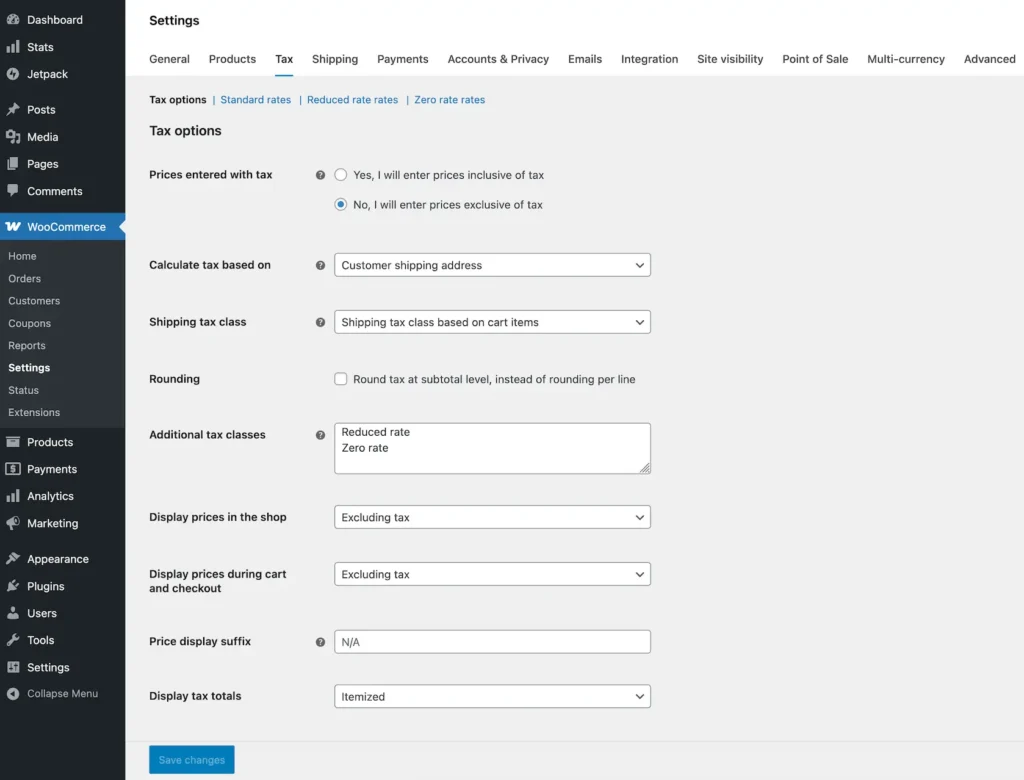
As you begin selling across state lines, you may trigger sales tax obligations in multiple states. Most states define economic nexus thresholds based on revenue or transaction volume. WooCommerce makes expansion easy for customers, but tax compliance does not expand as seamlessly behind the scenes.
Waiting to address tax configuration can lead to:
- Retroactive tax liabilities
- Penalties and interest
- Complicated reconciliation across platforms
- Manual corrections that disrupt accounting
Many founders assume they will deal with taxes later. By the time later, exposure has already accumulated.
Proactive tax configuration stabilizes growth. Clean tax setup supports accurate bookkeeping, predictable cash flow, and smoother platform verification.
When functioning properly, tax systems remain invisible. When neglected, they become highly visible.
Payment and Platform Risk Management
Even with a formal structure in place, platform risk remains an ongoing consideration. Payment processors and marketplaces continuously assess how your business operates.
WooCommerce Payment Setup Mistakes
Payment configuration is often treated as a simple technical step. Connect a processor, test a transaction, and move on.
However, payment processors continuously evaluate risk and credibility.
If your setup appears inconsistent, processors may trigger delays, reserves, or account reviews. These issues often arise just as sales begin increasing.
Common mistakes include:
- Using personal accounts instead of business accounts
- Mismatched business names across platforms
- Incomplete verification details
- Unclear refund or billing policies
- Sudden spikes in transaction volume without preparation
Professional and consistent configuration supports long-term operational stability.
Policies, Documentation, and Trust Signals
Platforms and payment processors assess how professionally your business is presented. Missing or weak documentation sends subtle risk signals.
Core policies that support scalable growth include:
- Clear refund policies
- Transparent privacy policies
- Updated terms of service
- Visible contact information
These are not merely legal formalities. They directly affect chargeback rates, platform trust scores, ad account stability, and payment processor confidence.
Strong documentation reduces ambiguity. Reduced ambiguity lowers perceived risk. Lower perceived risk improves operational stability.
Operational Consistency Across Platforms
Scalable growth requires consistency beyond legal paperwork and payment setup. Accurate business information matters across all platforms your store uses.
Even small discrepancies can trigger verification issues or manual reviews.
Details that must remain consistent include:
- Business name formatting
- Legal entity name
- Address and contact information
- Billing and payout details
- Email domains
When information is uniform everywhere, your store appears organized and trustworthy. Systems verify you more quickly, integrations connect more smoothly, and fewer disruptions occur.
Administrative accuracy may seem minor, but it directly influences how efficiently your store scales.
Product Presentation as Part of Scalable Infrastructure
Backend stability enables growth. Frontend clarity supports conversion.
As your store expands, structured product presentation becomes increasingly important.
Why Structured Product Tables Matter
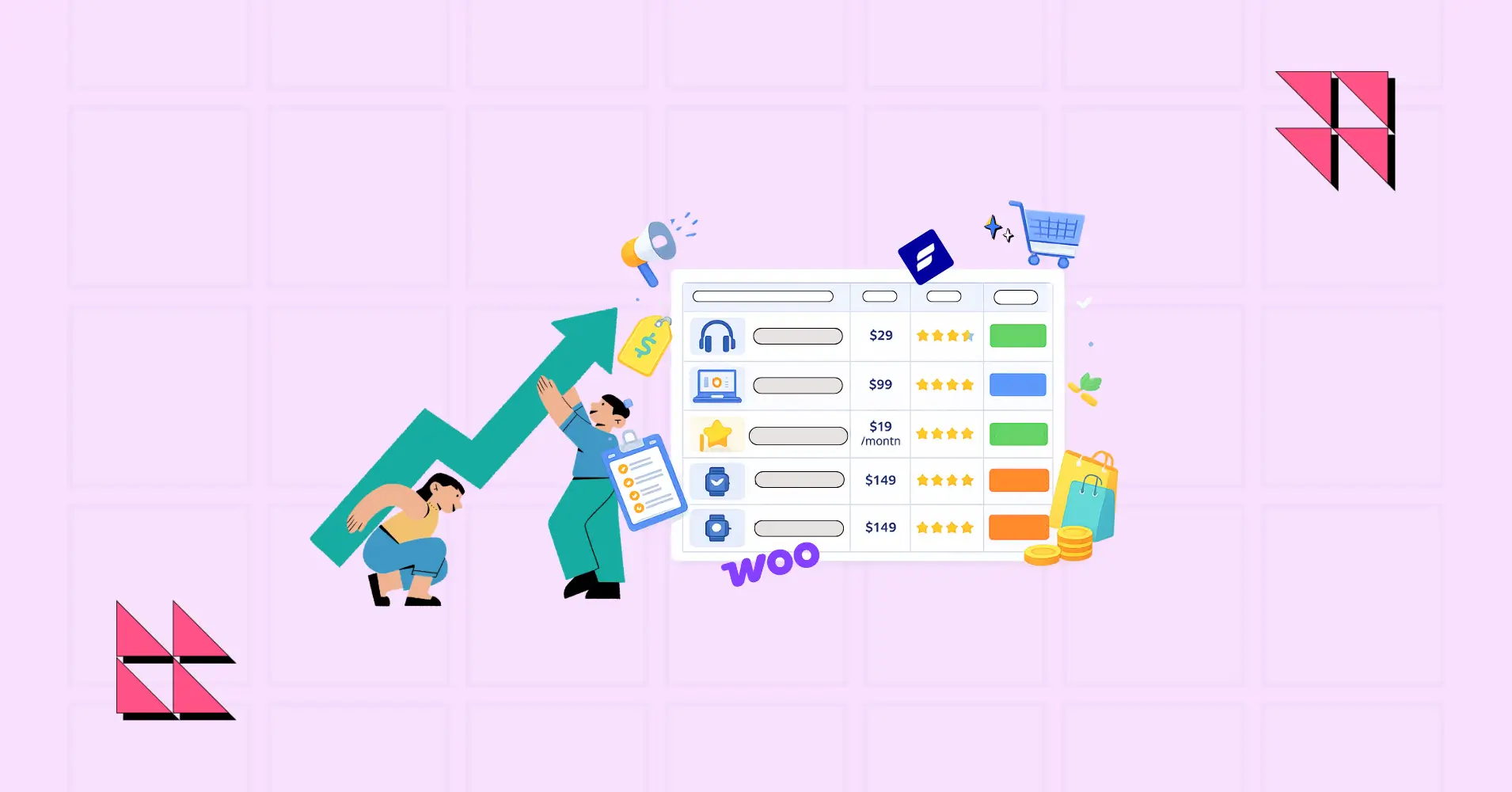
Clear comparison tables help customers:
- Understand feature differences quickly
- Compare pricing tiers efficiently
- Make confident purchase decisions
Well-organized product data reduces friction and improves transparency.
Using Smart Table Solutions
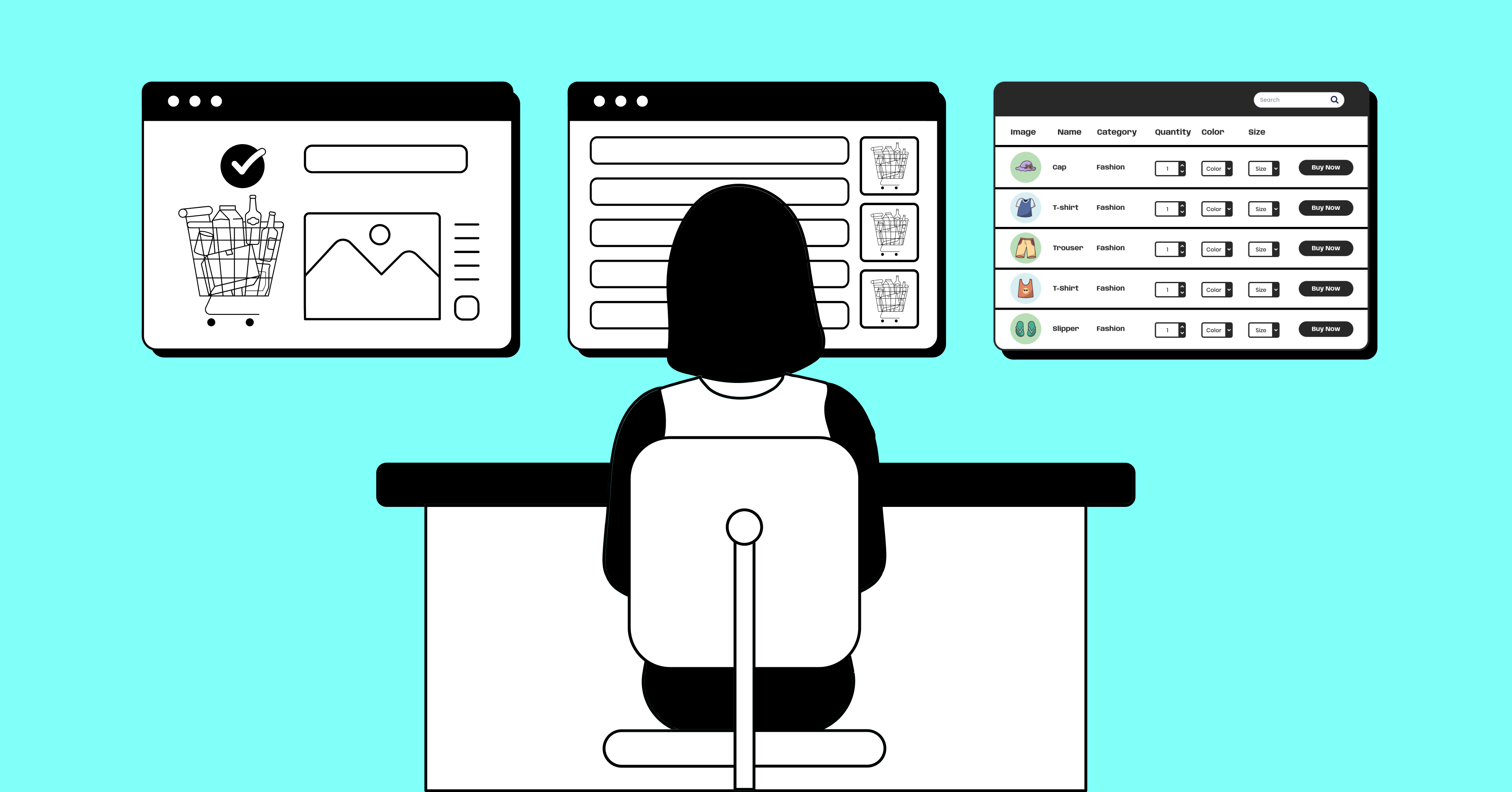
As product catalogs grow, structured tables become part of your operational infrastructure rather than just design elements.
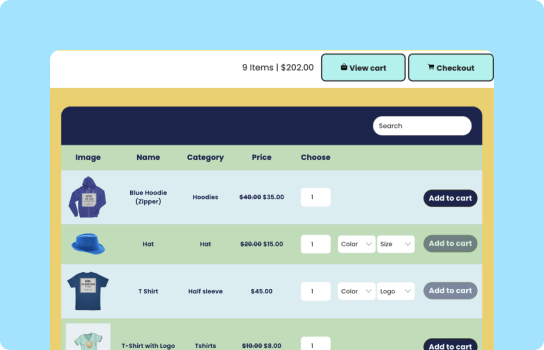
Tools like Ninja Tables allow WooCommerce store owners to create professional, structured product tables that enhance usability.
Product Tables
WooCommerce
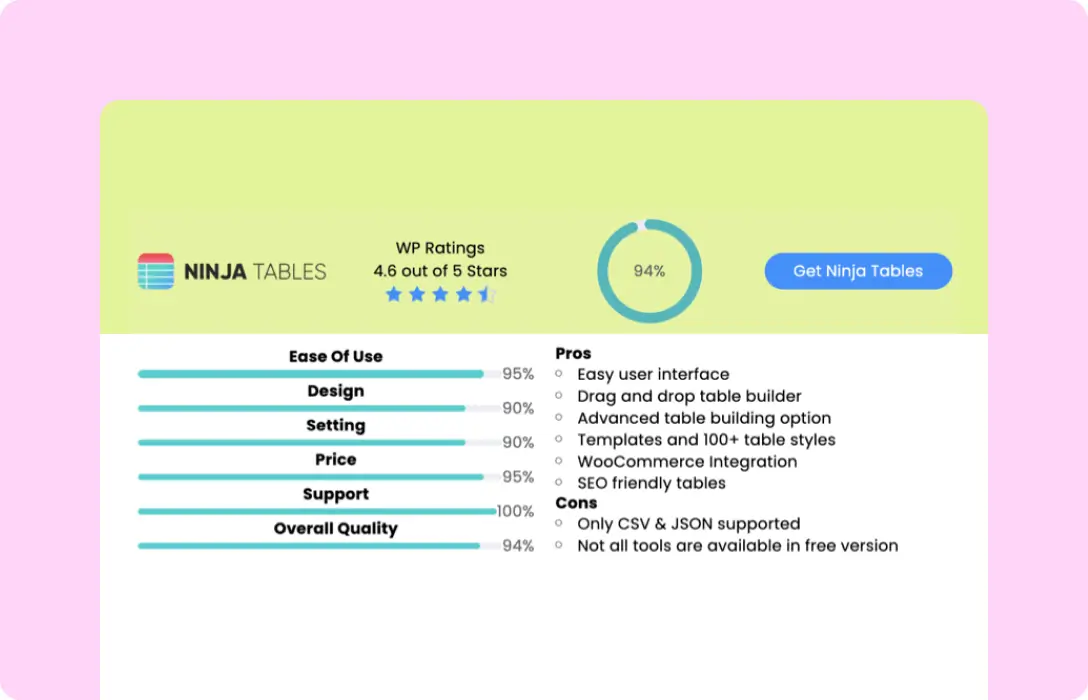
Product Review
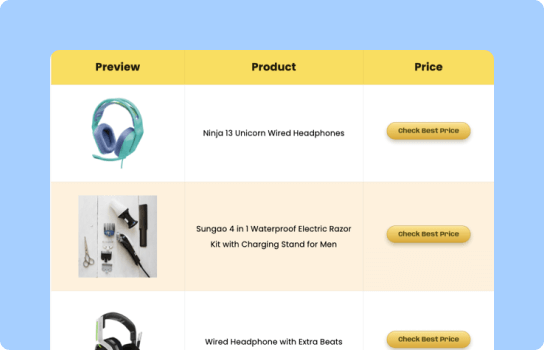
Amazon Products
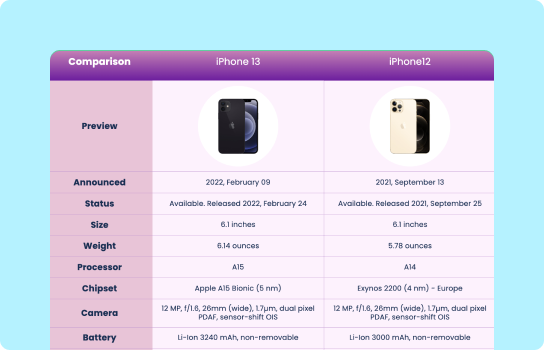
Products Comparison
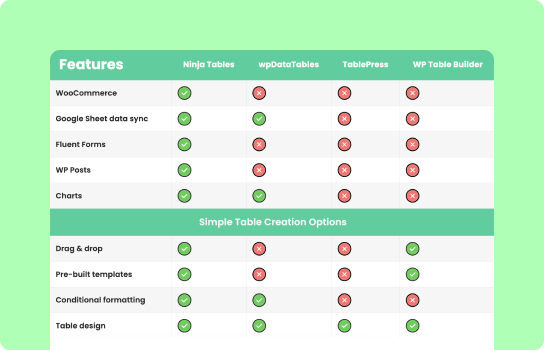
Product Features
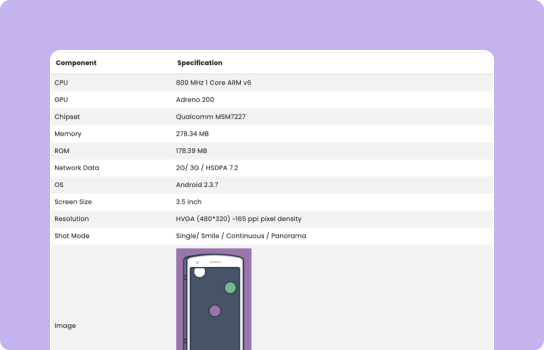
Product Specification
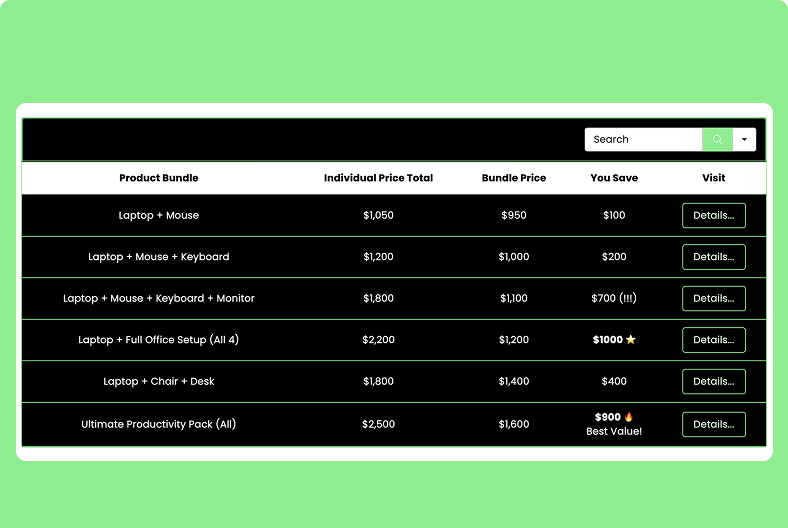
Product Bundle
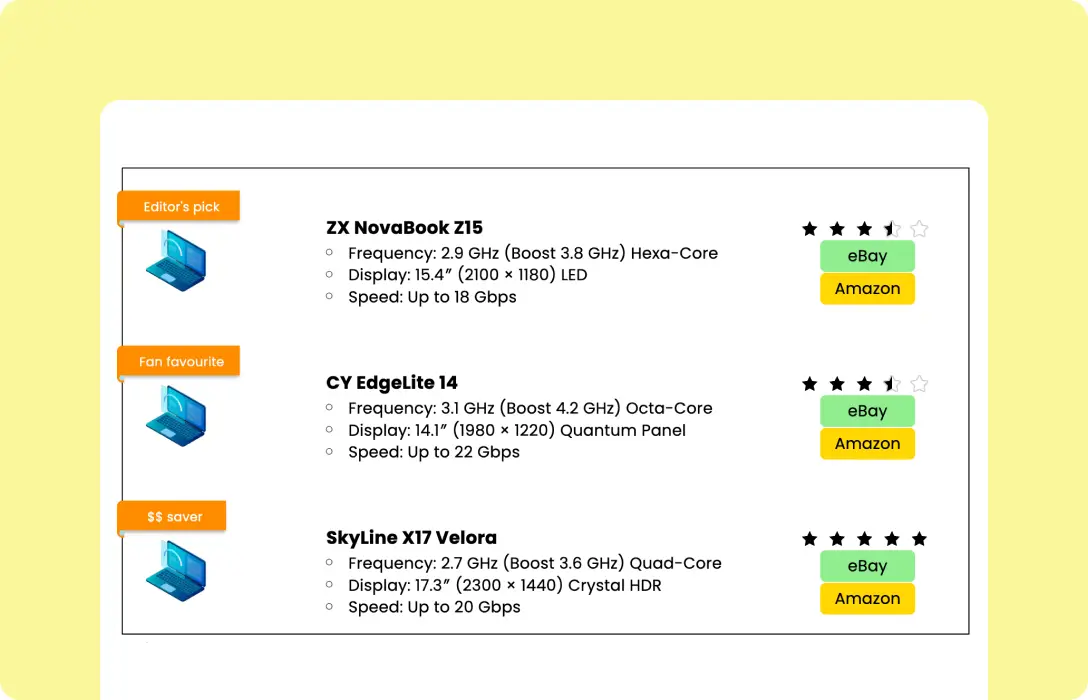
Product Roundup
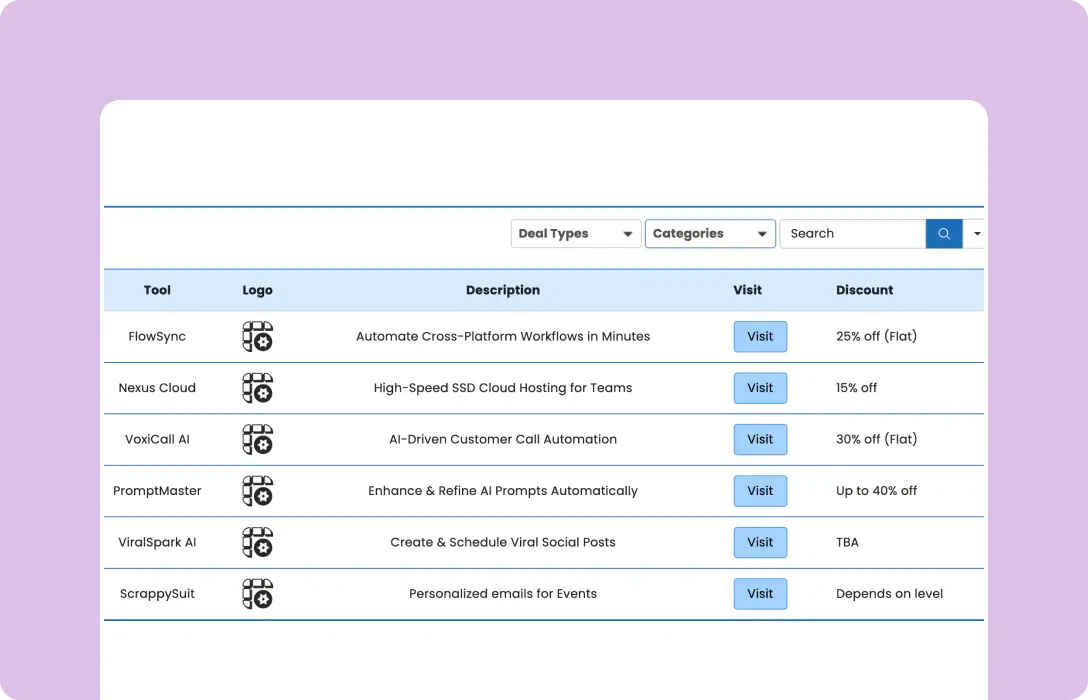
Product Deal Listing
Organized layouts improve browsing, support decision-making, and reinforce credibility.
When strong backend infrastructure is paired with clear product presentation on the frontend, sustainable growth becomes far more achievable.
Store Growth Is Built on Infrastructure
It is easy to focus on design, promotions, and branding because they are visible and exciting. Yet long-term WooCommerce growth is often determined by less visible decisions.
Formal business structure, financial separation, tax compliance, reliable payment systems, consistent documentation, and clear product presentation work together to support scaling.
The most successful stores are not simply attractive. They are stable.
When the foundation is intentional from the beginning, growth feels manageable rather than chaotic. Problems are prevented rather than repaired. Trust is reinforced rather than questioned.
If you want your WooCommerce store to scale smoothly, start by strengthening what customers never see.

Ninja Tables– Easiest Table Plugin in WordPress

Add your first comment to this post